Current position > Product detail
Vortex flowmeter orifice flowmeter
『Vortex flowmeter orifice flowmeter』Related information(clamp on meter|electromagnetic meter|venturi meterrotameter|orifice meter|ultrasonic flow meter|mass flow meter|coriolis mass flow meter|coriolis flow meter|magnetic flow meter|magmeter flow meter|magflow flow meter|mag meter flow meter|electromagnetic flow meter|vortex flow meter|turbine flow meter|thermal mass flow meter|thermal flow meter|rotameter flow meter)
What is the name of the instrument for measuring gas extraction flow rate? The instruments for measuring gas extraction flow rate mainly include orifice flow meters, vortex flow meters, heat loss to early gas mass flow meters, and ultrasonic flow meters. 1. Orifice flowmeter uses a throttling device to measure pressure difference to calculate flow rate, which is characterized by simple structure and low price, but with large pressure loss and accuracy affected by installation conditions. J-4 ultrasonic flowmeter calculates flow velocity through the time difference of ultrasonic propagation, which is characterized by non-contact measurement and no pressure loss. It is suitable for large pipe diameters, but the price is high and the accuracy is affected by the inner wall and impurities of the pipeline. 2. What are the differences between vortex flowmeter and orifice flowmeter when measuring steam? Senior staff from Qingtian Instrument are here for you The main differences between vortex flowmeter and orifice flowmeter in measuring steam are reflected in seven aspects: accuracy, accuracy variation, universality, range ratio, pressure loss, maintenance cost, and service life. Specifically, accuracy: The orifice flowmeter strictly calculates the flow rate according to the national standard calculation formula. In demanding scenarios such as heating stations, it can provide more reliable measurement results and is suitable for steam measurement occasions with extremely high accuracy requirements. The vortex flowmeter uses a simplified formula to calculate flow rate, with slightly lower accuracy compared to orifice flowmeters, but it can still meet the requirements in general industrial scenarios. Accuracy variation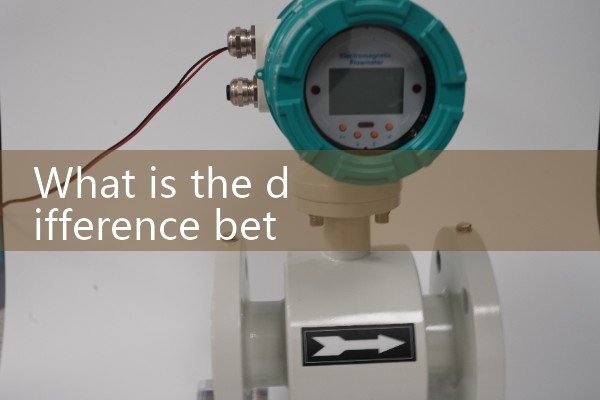 accompanied by flushing and leakage: The orifice flowmeter has a smaller inner diameter, and the obtuse angle of the inner wall may change after long-term use, or the wall thickness may increase due to the accumulation of dust and pollutants, directly affecting the accuracy of the calculation formula and leading to a decrease in accuracy. The accuracy and linearity of the vortex flowmeter may drift after long-term use, but its performance can be restored through recalibration, making maintenance more flexible. Universality: Orifice flow meters require parameters such as pipe diameter, wall thickness, material, Reynolds coefficient, etc., which have high professional requirements and are usually only applied in specific scenarios such as heating stations. The calculation of vortex flowmeter is simplified, with low professional requirements and a wider range of applications, which can meet the needs of most industrial scenarios. Range ratio: The range ratio of orifice flowmeter is 1:3, and the measurement range is relatively narrow. The maximum measuring range ratio of vortex flow can reach 1:15, covering a wider flow range and adapting to scenarios with large flow fluctuations. Pressure loss: As a throttling device, orifice flow meters have significant pressure loss, which may increase system energy consumption. The pressure loss of the vortex flowmeter is relatively small, which has a lower impact on the operation of the system. Maintenance cost: The orifice flowmeter consists of multiple accessories and requires strict welding processes, with multiple sealing welding points that are prone to blockage. Maintenance is cumbersome and costly. The vortex flowmeter only requires flange welding, with no other welding points,
『SILVER Official Website SERVICE』
User:niotallda121Last Time:07/09/2026