

『Common flow meters』Related information(clamp on meter|electromagnetic meter|venturi meterrotameter|orifice meter|ultrasonic flow meter|mass flow meter|coriolis mass flow meter|coriolis flow meter|magnetic flow meter|magmeter flow meter|magflow flow meter|mag meter flow meter|electromagnetic flow meter|vortex flow meter|turbine flow meter|thermal mass flow meter|thermal flow meter|rotameter flow meter)
What are the common types of flow meters? A flowmeter is a commonly used measuring instrument with a wide variety of types, each with different functions and measurement ranges. The following are common types of flow meters: mass flow meter: direct type, such as calorimeter, angular momentum type, gyroscope type, and double impeller type, suitable for measuring small flow gases, but prone to contamination and corrosion. Indirect: The mass flow rate is obtained by combining a velocity flowmeter with a density meter, such as a throttling (or target) flowmeter combined with a density meter. Differential pressure flowmeter: such as orifice ridge regret plate flowmeter, which uses a combination of orifice plate and quantitative pump to achieve mass flow measurement. Common combinations include double orifice plate and four orifice plate with quantitative pump. Coriolis mass flowmeter: directly measures mass flow rate using the principle of Coriolis force generated by fluid flow in a vibrating tube. Electromagnetic flowmeter: Based on the law of electromagnetic induction, it is used to measure various corrosive liquids such as acids, alkalis, salts, flammable and explosive media, as well as industrial wastewater, pulp, mud, etc. Not suitable for measuring gases, vapors, and liquids containing a large amount of gas, as well as liquid media with low conductivity and high-temperature and high-pressure fluids. Vortex flowmeter: Based on the principle of fluid free oscillation, it is mainly used to measure the flow rate of industrial pipeline medium fluids (such as gas, liquid, vapor). It has the characteristics of low pressure loss, large range, and high accuracy. Positive displacement flowmeter: such as waist wheel, elliptica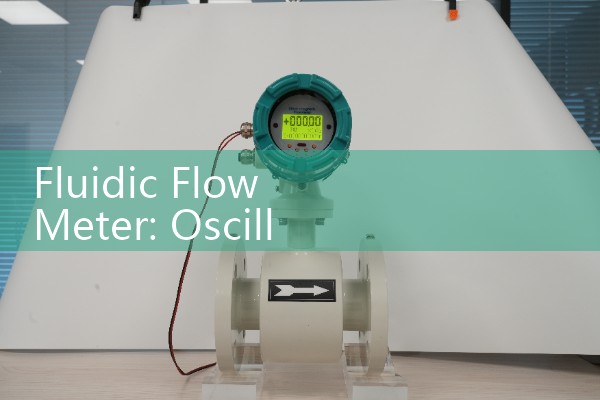
2.15 commonly used flow meters working principle diagrams, intuitive and clear
Flow meters play a key role in industrial production, closely related to national economy, national defense construction, and scientific research, and are crucial for measuring the flow rate of gases, liquids, steam and other media.
. This article uses an animated demonstration method to visually demonstrate the working principle of flow meters. It introduces 15 commonly used types, including orifice flow meters, electromagnetic flow meters, turbine flow meters, Venturi flow meters, volumetric flow meters, elliptical gear flow meters, rotor flow meters, vortex flow meters, waist wheel flow meters, dual rotor flow meters, target flow meters, ultrasonic flow meters, nozzle flow meters, and Coriolis mass flow meters. Orifice flow meters generate a pressure difference by increasing the flow velocity and stat Hot Blog
 Related AD