

『Flow Meter in Wastewater Treatment Digesters: Choosing Slurry Liners for Sludge Lines』Related information(clamp on meter|electromagnetic meter|venturi meterrotameter|orifice meter|ultrasonic flow meter|mass flow meter|coriolis mass flow meter|coriolis flow meter|magnetic flow meter|magmeter flow meter|magflow flow meter|mag meter flow meter|electromagnetic flow meter|vortex flow meter|turbine flow meter|thermal mass flow meter|thermal flow meter|rotameter flow meter)
Flow Meter in Wastewater Treatment Digesters: Choosing Slurry Liners for Sludge Lines
Quick Answer: For digester sludge lines with grit and up to 5 percent solids, select an electromagnetic flow meter with a polyurethane or hard rubber liner. PTFE liners work for chemical dosing, filtrate and condensate lines but fail quickly on abrasive raw sludge. Send pipe size, pressure, temperature, solids content and flow range to Silver Instruments for a direct model recommendation.
What Flow Meter Works in a Wastewater Digester Sludge Line
Wastewater digesters move raw sludge, thickened sludge and digested sludge through steel or ductile iron pipes. Sludge often contains sand, grit, fats and small gas bubbles. Mechanical flow meters with moving parts fail fast in this service. Magnetic flow meters have no moving parts and measure conductive sludge from 0.3 to 12 m/s.
Plants in Southeast Asia, the Middle East and Latin America commonly use DN80 to DN300 magnetic flow meters on sludge transfer lines. The liner is the key selection point. A bad liner wears through in 6 to 18 months. A good liner lasts 5 to 8 years on the same line.
Polyurethane Liner for Raw Sludge and Digested Sludge
Polyurethane liner handles abrasive solids well. It resists grit, sand and sludge particles up to 5 percent solids by weight. It also handles fats, oils and grease better than hard rubber. In a digester recirculation line at 35 °C and 4 bar, polyurethane is often the first choice for DN50 to DN250.
Silver Automation Instruments recommends polyurethane liner for raw sludge transfer, thickened sludge and digested sludge recirculation. If your sludge has sharp sand, choose polyurethane over hard rubber. We have seen PTFE liners fail in 9 months on a DN150 digested sludge line in the Philippines. A polyurethane liner in the same line lasted over 4 years.
Hard Rubber Liner for General Wastewater Sludge
Hard rubber liner is cost effective for sludge lines with low grit content. It handles temperatures up to 80 °C and resists mild chemicals. It does not handle sharp sand as well as polyurethane. Use hard rubber for return activated sludge, waste activated sludge below 2 percent solids and digested sludge with fine particles.
Hard rubber also suits large lines above DN300 where liner cost becomes a bigger factor. A water authority in Vietnam used hard rubber magnetic flow meters on DN400 return activated sludge lines. The meters stayed in service for 6 years with no liner replacement. That is a practical choice when solids are soft and flow rates are large.
PTFE Liner for Filtrate, Chemical Dosing and Biogas Condensate
PTFE liner is not the first choice for abrasive sludge. Sand and grit can scour the surface quickly. But PTFE handles acidic or alkaline streams well. Use PTFE for polymer dosing, ferric chloride lines, lime slurry, filtrate return and biogas condensate.
In digester gas condensate with hydrogen sulfide, PTFE liner with Hastelloy C electrodes lasts far longer than rubber liner. Check line temperature before selecting PTFE. Vacuum or high temperature can cause liner collapse on a magnetic flow meter. For most chemical lines we recommend PTFE liner with Hastelloy C electrodes and grounding rings.
Elec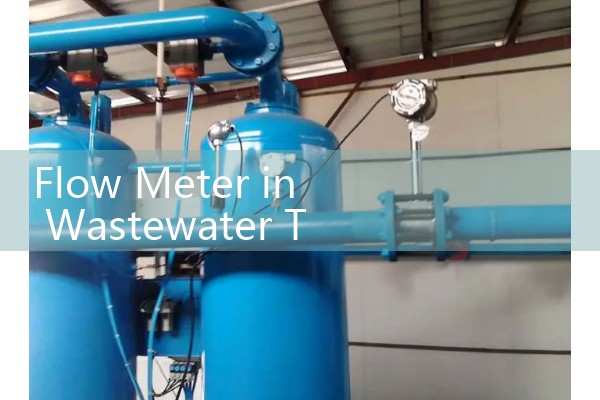
Because sludge lines often have grease coating on pipe walls, magnetic flow meters need good grounding. Use grounding rings or a liner with built in grounding electrode. Electrode material matters. For raw sludge, stainless steel 316L works in most cases. For digested sludge with hydrogen sulfide, choose Hastelloy C or titanium. For ferric chloride dosing, use Hastelloy C or platinum.
Silver Instruments offers DN15 to DN2000 magnetic flow meters with built in grounding electrodes. That design removes the need for separate grounding rings in many wastewater installations. Tell us if your pipe material is lined, coated or non conductive. We will specify the correct grounding method.
Installation Rules for Digester Sludge Flow Meters
Mount the meter on a vertical line or a horizontal line with electrodes at the 3 and 9 o clock positions. Keep the meter full of liquid. Digester sludge can release gas bubbles. Bubbles cause unstable readings. Install the meter downstream of pumps and upstream of valves if possible. Keep 5 straight diameters upstream and 3 downstream.
In practice, most plants skip the straight run check and then wonder why the reading drifts. If the line is schedule 40 or schedule 80 steel, check the liner interior after welding. A weld bead inside the pipe will destroy a polyurethane liner in weeks. Always recheck the inner diameter after pipe work. A small misalignment at the flange can also create turbulence and reduce accuracy.
How to Request a Sludge Flow Meter Quote
Tell us the pipe size, line pressure, temperature, solids content, flow range and whether the stream is raw sludge, digested sludge or filtrate. We will select the liner, electrode and grounding method for your site. Contact Silver Automation Instruments at Tel: +86-25-68650347, Whatsapp: +86-25-52155837 or WeChat: +86 15365082610. Or send your parameters through flow-meter.com.au.
FAQ: Sludge Line Flow Meter Liners
Question and answer pairs below cover the most common sludge line liner issues.
Can I use PTFE liner for digested sludge?
No if the sludge has sand or grit above 1 percent. Use polyurethane or hard rubber for abrasive sludge. PTFE is for chemical lines or clean filtrate.
What is the best liner for wastewater digester sludge?
Polyurethane is the best all round liner for raw and digested sludge with up to 5 percent solids. Hard rubber is the lower cost option for mild sludge.
What flow meter type should I use for sludge lines?
Electromagnetic flow meter is the standard. It has no moving parts and handles conductive sludge. Avoid turbine and ultrasonic Doppler meters for heavy sludge unless the application is verified.
Does Silver Instruments supply flow meters for digester gas?
Yes. We offer thermal mass flow meters for biogas and digester gas. For liquid sludge lines we supply magnetic flow meters. Tell us the gas composition and pipe size.
What information do you need for a sludge flow meter quote?
We need pipe size in DN, pressure in bar, temperature in °C, solids content in percent, flow range in m3/h and the application. These parameters help us recommend liner and electrode material.
 Hot News
 Related AD